
Kilwa Kisiwani
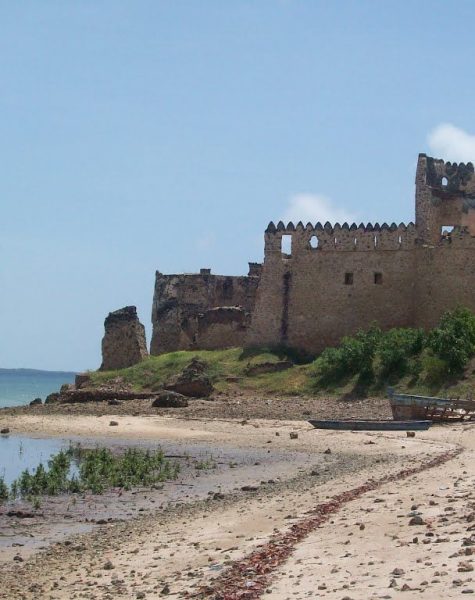
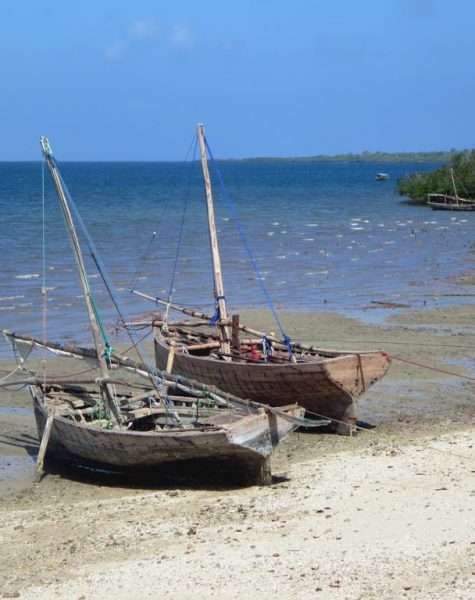
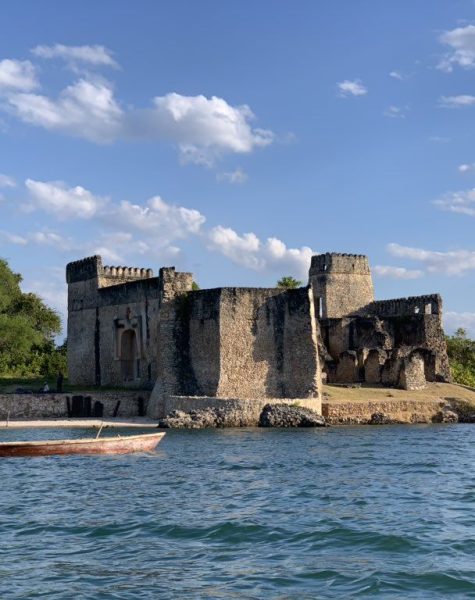
Kilwa Kisiwani is one of the most historically significant sites in sub-Saharan Africa—a UNESCO World Heritage Site bearing the ruins of what was once East Africa’s greatest trading city. Between the 13th and 17th centuries, Kilwa controlled much of the Indian Ocean gold and ivory trade, and its wealth financed architectural achievements unparalleled elsewhere in medieval Africa.
The ruins give a powerful sense of the sophistication of pre-colonial East African civilization—stone palaces, coral mosques, and trading warehouses that once handled gold from Zimbabwe, porcelain from China, and textiles from India. Kilwa Kisiwani is one of Tanzania’s most under-visited and historically rewarding destinations.
Highlights
Island at a Glance
UNESCO Status
World Heritage Site since 1981
Historical Period
13th–17th century, peak Swahili civilization
Location
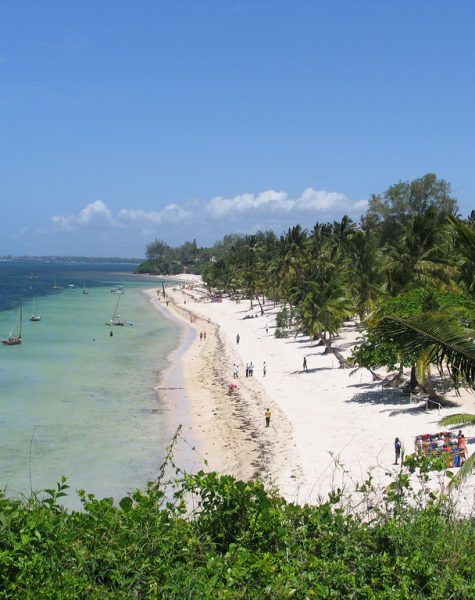
Southern coast of Tanzania, near Kilwa Masoko
Best For
History, archaeology, Swahili culture, photography
8+ years of happy travelers!
Verified Fantastisk We went on a two-day safari. On the first day, we were in the national park and had an excellent guided tour by Am Abdallah and Muhidini. They were very knowledgeable, explained things well, and drove in a way that allowed us to see the animals up close. On the second day, we visited the Maasai people, where we received a very good introduction and learned about how they live. After that, we went on a boat safari, which was perfect for seeing the hippos up close. All in all, this was an amazing experience with excellent service.Posted on TripadvisorVerified An amazing two-day safari experience Thank you Abdullah for showing us around the national park and caring about us for almost full two days! Your knowledge about this and other places is fantastic and answers to our many questions are highly appreciated. And the team of you and the driver Muhidini was truly great, the experience we got exceeded our biggest expectations as we saw much more wild animals than we could dream of. Once again - thank you very much and we hope many more travellers will get a chance to be guided by you.Posted on TripadvisorVerified Es war ein Traum Hatte zwei unvergessliche Tage im Nyerere Nationalpark mit Travel with Deo Safari.Der Transfer verlief Reibungslos alles war perfekt durch Organisiert.Mein Guide Abdullah und Fahrer Mutideni begleiteten mich durch die Atemberaubende Natur und Tierwelt ,diese vielen Tiere aus der Nähe zusehen war ein Traum. Sie bereiteten ein Frühstück in der Wildnis am See vor.Mutideni hatte selbst gemachte Reiscaks ,die waren so lecker. Am Abend ging es in die Selous Safari Lodge,dort Empfang mich Maria herzlich . Bungalow waren riesig alles perfekt und Essen lecker. Nächsten Tag begrüßte mich Goodluk,wir besuchten ein Massai Dorf,mir wurde viel über das Leben der Massai erklärt und führten mich durch das Dorf.Es war sehr interessant,im Anschluss hatte ich eine Bootstour auf dem Rufiji Fluss mit einem erfahrenen jungen lokalen Guide,beobachten viele Vögel , Flusspferde und Krokodile.Ich kann diese zwei Tagestour von Travel with Deo Safari nur empfehlen ,sehr Erlebnis reich und entspannend ASANTE SANA ,Danke schön Abdullah,Mutideni und Goodluk Super erfahrene GuidesPosted on TripadvisorVerified Great experience Excellente experience en couple on recommande a fond ! Vu antilopes giraphes hippo buffles phacocheres éléphants lions leopard crocodiles Super guide super driverPosted on TripadvisorVerified Safari parc Nyerere Incroyable safari, nous avons eu beaucoup de chance et avons vu 4 des big 5 le parc n’ayant pas de rhinocéros, le chauffeur ainsi que le guide étaient géniaux très à l’écoute, ils nous ont donné pleins d’informations sur la faune et la flore c’était un chouette moment, Beaucoup moins fan du safari en bateau sur la rivière, mais le tour est très agréable et le guide toujours aussi accueillant et sympathique Le lodge est vraiment un très bel endroit, les chambres sont très spacieuses et la literie très confortablePosted on TripadvisorVerified Amazing. It was amazing. All transfers went very smootly. Our tourguide Goodluck did his very best to give us the best experience ever. Thank you.Posted on TripadvisorVerified Dit heeft al mijn verwachtingen overtroffen Ik heb vandaag echt een geweldige ervaring gehad. Alles was goed verzorgd. Ik werd super vriendelijk geholpen en alles was erg goed geregeld. Alle vragen die ik had waren binnen no time beantwoord en ze zijn erg flexibel. Ook is de prijs heel erg goed! De Safari was geweldig. Binnen 5 minuten na aankomst heb ik al leeuwen, olifanten en giraffen gezien. De tour was erg mooi en ik heb ontzettend veel gezien. Dit is iets was je echt gedaan moet hebben en door de hulp van travel with deo heb ik een goede prijs gehad en geen zorgen! Hakuna matata!Posted on TripadvisorVerified Experiencia inmejorable. Realmente es un viaje único; el parque tiene todo tipo de animales. Los vimos por tierra y por río. Ellos son superamables, y es una experiencia que no se olvida. Fantásticos. De 10.Posted on TripadvisorVerified WOOOOOOOWWW It was a dream! The organization was perfect, the driver, the guide and all the guys were soo kind and marvelous! I will surely do it again!Posted on TripadvisorVerified Heel mooie ervaring Een heel mooie daytrip naar mikumi national park gedaan. Ondanks de late aanvraag werd alles nog optijd in orde gebracht door Reinie. Heel erg bedankt daarvoor. De safari zelf was wonderbaarlijk. Heel mooie dieren gezien van kortbij. Ik ben blij dat ik mijn safari via travelwithdeo heb geboekt. Echt een aanrader!Posted on Tripadvisor
